Search | Sitemap | My Museum | Font Size
Return to Previous Page

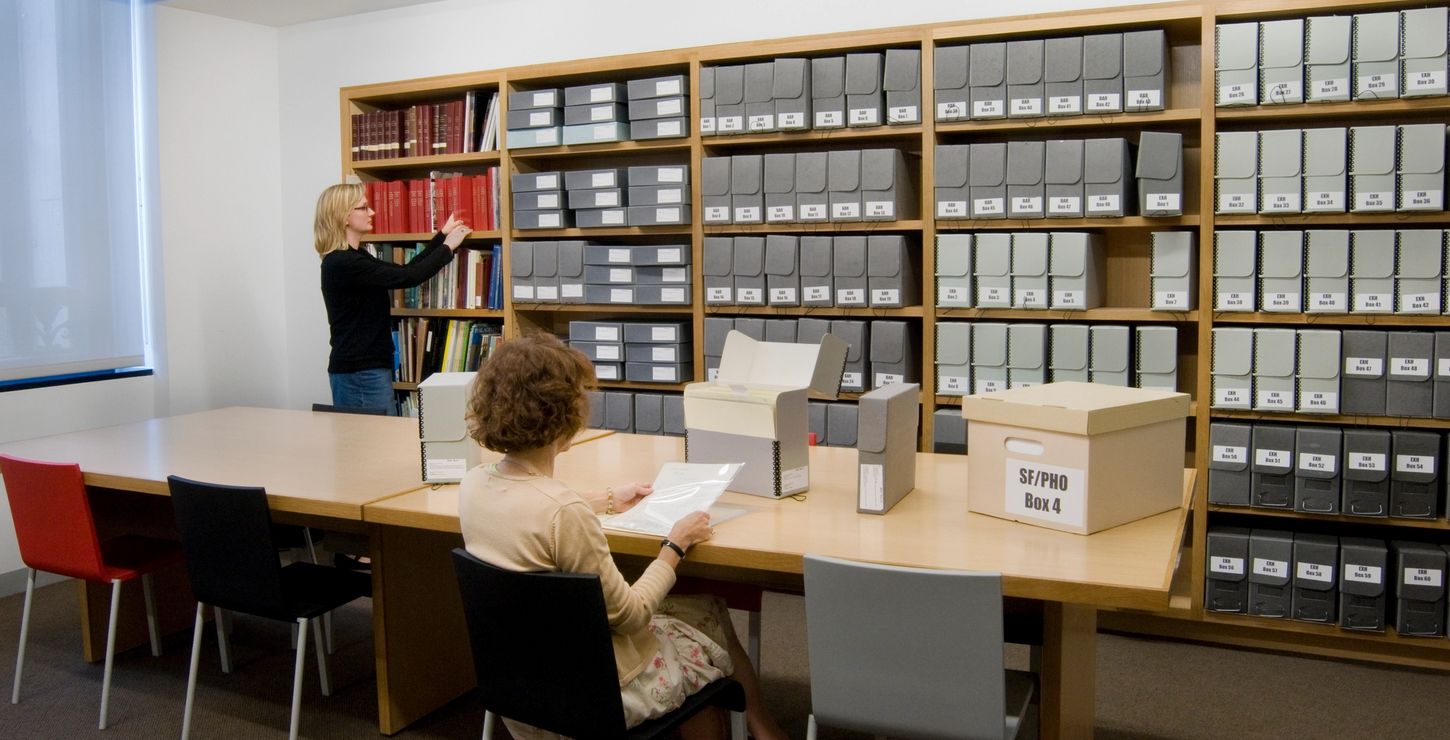
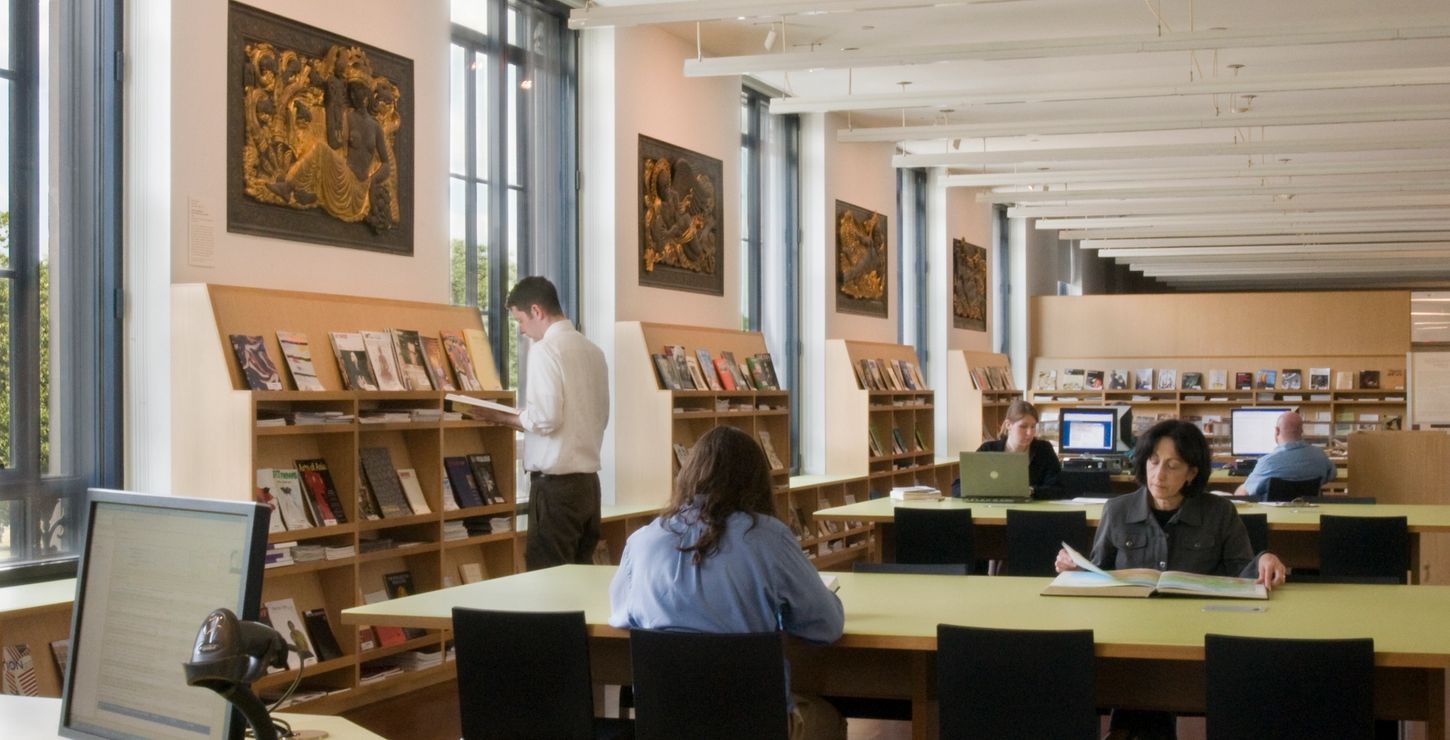
As one of the major art reference libraries in the United States, the Museum Library houses approximately 200,000 books, auction catalogues, and periodicals dating from the sixteenth century to the present. Reflecting the Museum's rich and distinctive collections, the Library's holdings focus on European, American, and Asian painting and sculpture; furniture and decorative arts; arms and armor; costume and textiles; prints, drawings, and photographs; and modern and contemporary art. The Library also subscribes to a growing collection of electronic resources, available on workstations in the Reading Room.

Hours
Tuesday–Friday: 10 a.m.–4 p.m.
Saturday (mid-Sept. to mid-May): 10 a.m.–4 p.m.

Admission
Access to the Library is free. Visitors may request a Researcher’s Pass from the guard at the Perelman Building entrance.

Search Online: Library CatalogFinding AidsDatabases & IndexesAuction Resources

Ask a Librarian

For more information or to ask a reference question, please fill out the Reference Questions form, call (215) 684-7650, or send an e-mail to .


Library Installation

Boy with Ball
Page from “Strawbridge & Clothier’s Quarterly,” spring 1883, Philadelphia (Philadelphia Museum of Art Library)
Leading the Style Parade; or, A Hundred Years of Selling Children’s Wear
June 3 - September 27, 2013
In the period between America’s Centennial and its Bicentennial, from the Victorian era to the 1970s, clothing for children changed radically: from dresses to jeans, from home-sewn to off-the-rack, and from genderless to gendered garments for small children. This installation illustrates some of these changes through the catalogs and periodicals that advertised children’s wear. Included are Philadelphia’s own Godey’s Lady’s Book and Strawbridge & Clothier’s Quarterly. As with much documentation of fashion history, these materials show the middle- and upper-middle-class styles—the exception being Sears, Roebuck and Co. catalogs, which have always reached a broader audience—and focus on prescribing what should be worn rather than recording what people were actually wearing.

A significant development during this period is that by the end of World War I—as the economic environment improved—people began to favor purchasing garments readymade over sewing them at home. The late nineteenth to early twentieth century also gave rise to the “mother” category of consumer that we still see in marketing today: the buyer who purchases goods for the health and well-being of her family. (Kids didn’t become the targets of advertising until later in the twentieth century.)

A related factor affecting the marketing of children’s clothing in the late nineteenth century through World War II was that the fields of pediatric medicine, child psychology, and home economics had just been born. The child was a new area of specialized interest, and mothers were subject to an onslaught of advice, including about how children should be dressed.

Catalogs and periodicals like these are collected as source documents for scholars but are also useful for costume designers, writers, and others seeking period-specific details. A bibliography for further research is available. And please visit All Dressed Up: Fashions for Children and Their Families in the Costume and Textile Study Gallery nearby

Location
The Library Reading Room, second floor, Perelman Building


Digital Collections

Ronaele Manor
The collection of heraldic stained glass at Ronaele Manor, Elkins Park, Pennsylvania :the residence of Mr. & Mrs. Fitz Eugene Dixon /described by F. Sydney Eden. -- London : Arden Press, 1927.
The Library is creating distinctive digital collections that provide access to its rare materials to support research and education at the Museum, to enhance scholarship worldwide, to increase access to its holdings, and to promote lifelong learning. Digitizing also aids in preservation by reducing the need for handling the originals. Scrapbooks from the Archives; rare art auction catalogs; books and ephemera on European and American decorative arts and arms and armor; and the Museum’s own publications are just some examples of the items that staff are digitizing and making freely available to all on the Internet Archive.

Browse our contributions to the Internet Archive.


Return to Previous Page